The Septuagint — New Testament, Part 2
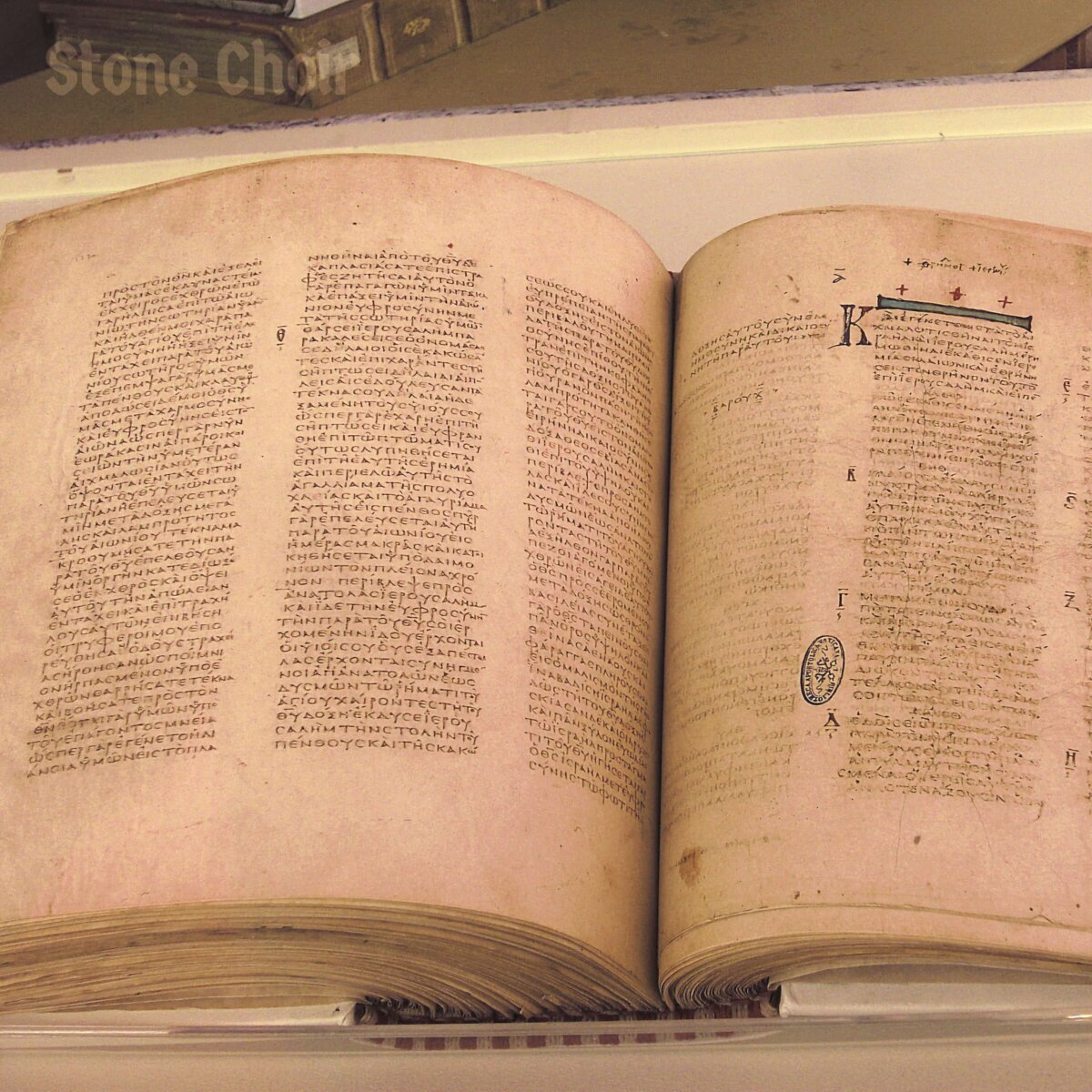
Hosts

Woe

aka Eschatologuy

This episode is our closing argument for the Septuagint (LXX) and its proper place as the Word of God — the Scripture of the Early Church, the Apostles, and Christ Himself. Once you have finished this episode, you will need to decide for yourself if you believe the argument as presented or if you intend to double down on the ‘Hebrew’ the rabbis smuggled into the churches. The question is one of fidelity to God and to His Word, and it is a question that will split the churches, that will sift the wheat from the chaff.

“But I and my household will serve the Lord, because He is holy.”


Subscribe to the podcast here.


Show Notes

  1. Romans 2:24 → Isaiah 52:5
  2. Romans 3:4 → Psalm 51:4 (LXX Psalm 50:6)
  3. Romans 9:25b → Hosea 2:23
  4. Romans 9:27 → Isaiah 10:22
  5. Romans 9:27-28 → Isaiah 10:22-23
  6. Romans 9:29 → Isaiah 1:9
  7. Romans 9:33; 10:11 → Isaiah 28:16
  8. Romans 10:18 → Psalm 19:4 (LXX Ps 18:5. .
  9. Romans 11:10 → Psalm 69:23 (LXX Ps 68:24. …
  10. Romans 11:26b → Isaiah 59:20
  11. Romans 11:27 → Isaiah 27:9 (with Isa 59:21)
  12. Romans 11:34 → Isaiah 40:13
  13. Romans 12:19 → Deuteronomy 32:35
  14. Romans 14:11 → Isaiah 45:23
  15. Romans 15:12 → Isaiah 11:10
  16. 1 Corinthians 2:16 → Isaiah 40:13 …
  17. 1 Corinthians 14:21 → Isaiah 28:11-12
  18. 1 Corinthians 15:54 → Isaiah 25:8
  19. 1 Corinthians 15:55 → Hosea 13:14
  20. 1 Corinthians 1:31 and 2 Corinthians 10:17 – Jeremiah 9:24
  21. 2 Corinthians 4:13 → Psalm 116:10 (LXX 115:1)
  22. Galatians 3:10 → Deuteronomy 27:26
  23. Galatians 3:13 → Deuteronomy 21:23
  24. Ephesians 4:26 → Psalm 4:4 (LXX 4:5)
  25. Ephesians 5:31 → Genesis 2:24
  26. Philippians 1:19 → Job 13:16
  27. Philippians 2:10-11 → Isaiah 45:23
  28. 2 Thessalonians 1:9 → Isaiah 2:10, 19, 21
  29. 2 Timothy 2:19a → Numbers 16:5 …
  30. Hebrews 1:6 → Deuteronomy 32:43 (LXX expanded line)
  31. Hebrews 1:10-12 → Psalm 102:25-27 (LXX 101:26-28)
  32. Hebrews 3:7-11 → Psalm 95:7-11 (LXX 94:7-11. …
  33. Hebrews 8:8-12 → Jeremiah 31:31-34 (LXX 38:31-34)
  34. Hebrews 10:5-7 → Psalm 40:6-8 (LXX 39:7-9)
  35. Hebrews 10:37-38 → Habakkuk 2:3-4
  36. Hebrews 11:21 → Genesis 47:31 …
  37. Hebrews 12:5-6 → Proverbs 3:11-12
  38. James 4:6 → Proverbs 3:34
  39. 1 Peter 2:6 → Isaiah 28:16
  40. 1 Peter 2:9 → Exodus 19:6 (phrase)
  41. 1 Peter 2:22 → Isaiah 53:9
  42. 1 Peter 4:18 → Proverbs 11:31
  43. 1 Peter 5:5 → Proverbs 3:34 (as in James 4:6)
  44. Revelation 2:27, 12:5, 19:15 – Psalm 2:9

See Also

Further Reading

Parental Warnings

None.

Transcript

The transcript for this episode can be found here

Other transcripts can be found here

Comments?

Join the discussion on Telegram, visit the feedback form or comment below.
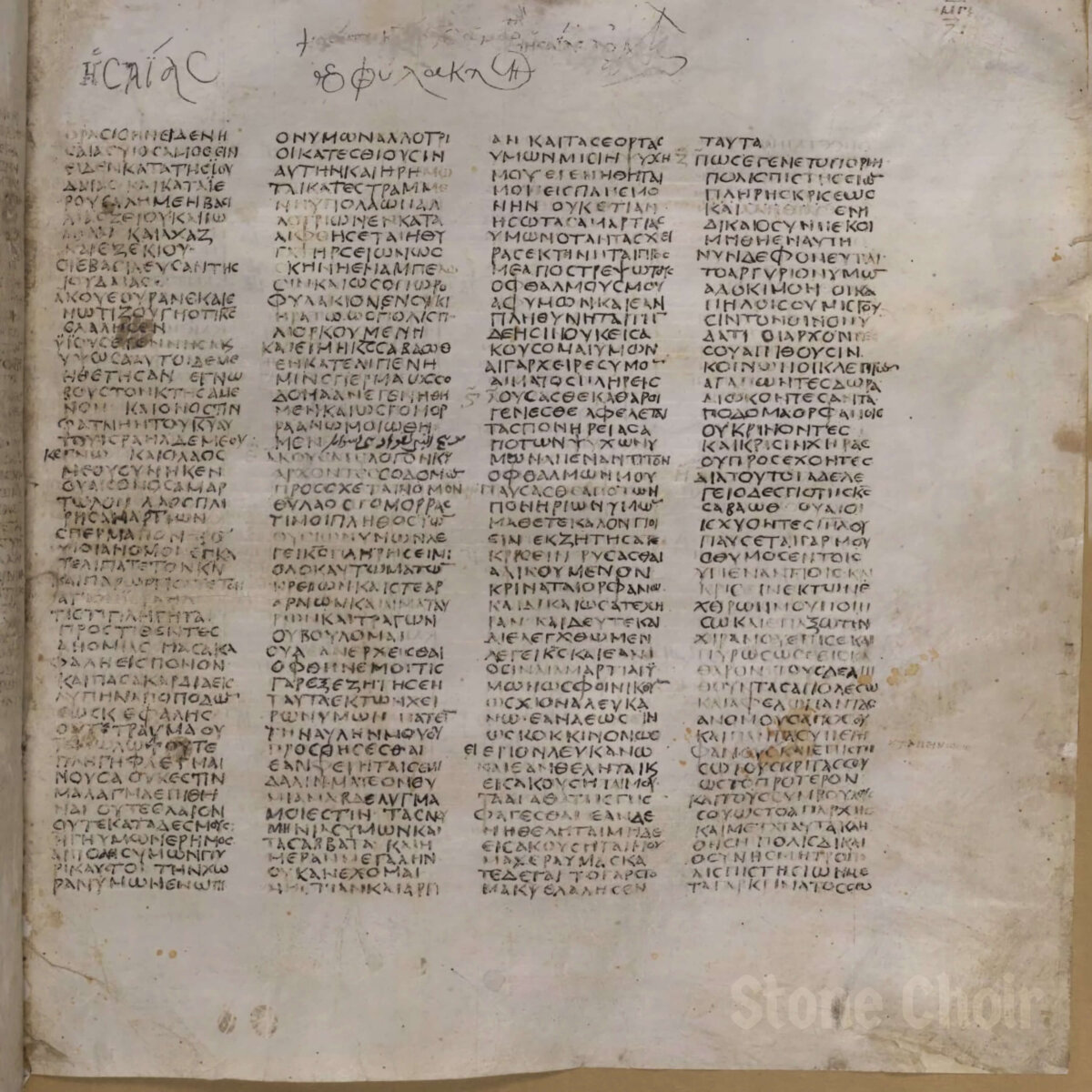
The Septuagint — New Testament, Part 1

Hosts

Woe

aka Eschatologuy

In this episode and the next, we cover the places where the New Testament cites the Old Testament and there is a difference between the Septuagint (LXX) and the rabbinic text. In this first (of two) episodes, we cover citations from Matthew, Mark, Luke, John, and Acts; in the next episode, we will cover Romans through Revelation. By the sheer weight of the evidence, it will become undeniable that the New Testament authors were reading and citing the Septuagint — not some supposed ‘Hebrew’ edition (that, in fact, no longer existed at the time of the composition of the New Testament).

The Septuagint was the Bible of the Apostles; it was the Bible of the early Church; it was the Bible that God miraculously preserved — as He promised He would; and it should be our Bible today.


Subscribe to the podcast here.


Show Notes

  • Verses

Vorlage over LXX

  1. Matthew 2:15 → Hosea 11:1
  2. Matthew 8:17 → Isaiah 53:4
  3. Matthew 26:31 → Zechariah 13:7 (also Mark 14:27)
  4. Matthew 27:9-10 → Zechariah 11:12-13 (with elements from Jeremiah 19; 32)
  5. Mark 1:2 → Malachi 3:1 (also Luke 7:27)
  6. John 19:37 quoting Zechariah 12:10
  7. Romans 11:35 quoting Job 41:11 (MT 41:3)

LXX over MT

  1. Matthew 1:23 → Isaiah 7:14
  2. Matthew 3:3 → Isaiah 40:3
  3. Matthew 3:17 (Mark, Luke) → (Genesis 22:2, 12, 16)
  4. Matthew 17:5 (Mark, Luke)
  5. Matthew 4:15-16 → Isaiah 9:1-2 (MT versification 8:23-9:1)
  6. Matthew 11:10 → Malachi 3:1 (also Mark 1:2, Luke 7:27)
  7. Matthew 12:18-21 → Isaiah 42:1-4
  8. Matthew 13:14-15 → Isaiah 6:9-10
  9. Matthew 15:8-9 → Isaiah 29:13
  10. Matthew 19:5-6 → Genesis 2:24
  11. Matthew 21:16 → Psalm 8:2 (LXX 8:3)
  12. Matthew 24:29 → Isaiah 13:10, 34:4
  13. Luke 2:23 → Exodus 13:2
  14. Luke 3:4-6 → Isaiah 40:3-5
  15. Luke 4:18-19 → Isaiah 61:1-2 (with Isa 58:6)
  16. John 12:38 → Isaiah 53:1
  17. Acts 2:26 → Psalm 16:9 (LXX 15)
  18. Acts 7:14 → Genesis 46:27; Exodus 1:5
  19. Acts 7:42-43 → Amos 5:25-27
  20. Acts 8:32-33 → Isaiah 53:7-8
  21. Acts 13:41 → Habakkuk 1:5
  22. Acts 15:16-18 → Amos 9:11-12 (and the closing clause of v. 18)

See Also

Further Reading

Parental Warnings

None.

Transcript

The transcript for this episode can be found here

Other transcripts can be found here

Comments?

Join the discussion on Telegram, visit the feedback form or comment below.
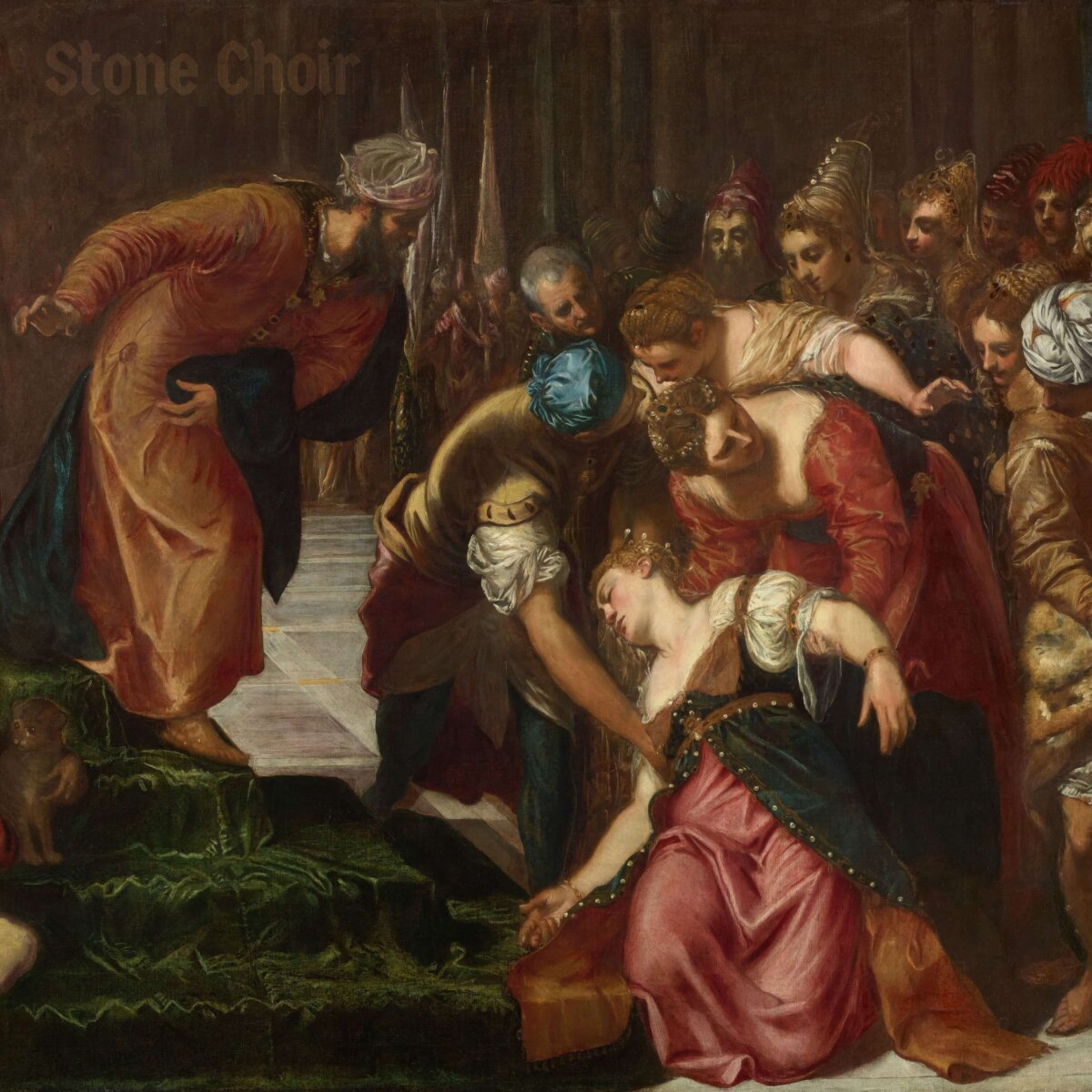
The Septuagint — Timelines and Other Alterations

Hosts

Woe

aka Eschatologuy

The rabbis made a number of different kinds of edits to their version of what some call ‘Scripture’ (i.e., the Rabbinic or Masoretic Text). In some places, they fiddled with numbers, in some they changed names, and in still others they deleted entire sections of the text. In this final episode of the Old Testament portion of the Septuagint series, we examine the changes the rabbis made to the timelines (particularly the genealogies), the Book of Job, the Book of Esther, and a few other miscellaneous matters.

The next two episodes will round out the LXX series with an examination of how the New Testament uses the Old (to the surprise of none, Jesus and the Apostles used the Septuagint), and then the final episode in the series will give a roadmap for where we, as the Church, go from here.


Subscribe to the podcast here.


Parental Warnings

None.

Transcript

The transcript for this episode can be found here

Other transcripts can be found here

Comments?

Join the discussion on Telegram, visit the feedback form or comment below.

The Septuagint — Wisdom Literature

Hosts

Woe

aka Eschatologuy

As between the Septuagint (LXX) and the rabbinic text (MT), there are significant differences in the books that comprise the wisdom literature (i.e., Job, Psalms, Proverbs, Ecclesiastes, Song of Solomon). These differences range from changes in diction through distortions and corruptions to outright additions and deletions (one should think of the warning in the Book of Revelation). Out treatment here is not (and is not intended to be) comprehensive — there are centuries of work ahead of the Church; rather, we intend to drive home the point that the only Christian reaction is to abandon and anathematize the ‘Hebrew’ passed to us by the rabbis in favor of the Greek passed to us by Christ, the Apostles, and our faithful forebears — and, most importantly of all, preserved by God, as He promised.

Christ, the Apostles, and the early Church all unanimously held that the Septuagint is, indeed, the very Word of God. In this fifth episode in the (now) nine-episode LXX series, we examine differences between the LXX and the MT in the wisdom books (largely focusing on Proverbs). This is the second of three episodes dealing specifically with the Old Testament differences between the LXX and the MT.

This is, of course, not our closing argument, for we will be making that in the two episodes that deal with the New Testament and how it treats the Old Testament.


Subscribe to the podcast here.


See Also

Further Reading

Parental Warnings

None.

Transcript

The transcript for this episode can be found here

Other transcripts can be found here

Comments?

Join the discussion on Telegram, visit the feedback form or comment below.

The Septuagint — Christology

Hosts

Woe

aka Eschatologuy

As between the Septuagint (LXX) and the rabbinic text (MT), there are significant differences in many verses that deal with Christology. The MT is not always ‘less Christological’, for that would have been a poor-quality trap, but the proper hermeneutic for determining the text of Scripture is not ‘more Christology’; rather, the right hermeneutic is quite simply: What is Scripture and what does it say?

Christ, the Apostles, and the early Church all unanimously held that the Septuagint is, indeed, the very Word of God. In this fourth episode in the (now) nine-episode LXX series, we examine Christological differences between the LXX and the MT. This is the first of three episodes dealing specifically with the Old Testament differences between the LXX and the MT.

This is, of course, not our closing argument, for we will be making that in the two episodes that deal with the New Testament and how it treats the Old Testament.


Subscribe to the podcast here.


Show Notes

  • Isaiah 7:14
  • Psalm 22:16
  • Psalm 2:10–12
  • Isaiah 6:8–10
  • Isaiah 9:6
  • Isaiah 53:5–6
  • Zechariah 12:10
  • Psalm 40:6–8
  • Amos 9:11–12
  • Deuteronomy 32:43
  • Isaiah 53:8–9
  • Isaiah 11:10
  • Psalm 23

Further Reading

  • Isaiah 53

Parental Warnings

None.

Transcript

The transcript for this episode can be found here

Other transcripts can be found here

Comments?

Join the discussion on Telegram, visit the feedback form or comment below.
The Septuagint — Near Eastern History

Hosts

Woe

aka Eschatologuy

The Word of God has been preserved — miraculously — down through the ages, faithfully transmitted forward from past generations to us. This is according to God’s promises, and yet God nowhere (in the Old Testament) says which language He will use to accomplish this. Many have long claimed that God used Hebrew to do this, but the Hebrew language was never a true written language until the 20th century and, above and beyond this, the Hebrew language was dead for more than two thousand years. How, then, did God preserve His Word? He caused it to be translated into Greek — the Septuagint (LXX).

It was the Septuagint that was used by our forefathers in the faith, by the Apostles, and by Christ Himself. In this first of our four-part (really five-part) series on the Septuagint, we cover the history of the Hebrew language and the history of the LXX up until about AD 1000; we trace how the so-called “Masoretic Text” was infiltrated into the Church by those who deny Christ, curse His sheep, and serve another master, and how, tragically, Christians failed to prevent this and permitted the MT to supplant the LXX; and we begin to make our case for a return to the Word of God as He has preserved it and as the Church has always received it — in Greek, as the Septuagint.


Subscribe to the podcast here.


Show Notes

Further Reading

  • Letter of Aristeas [Wikipedia]
  • Although we do not (yet) have an English translation using the LXX that we unreservedly recommend, we recognize that some will want a version for the sake of comparison. This is one option: The Lexham English Septuagint
    • The Brenton edition can be found in several places online.

Parental Warnings

None.

Transcript

The transcript for this episode can be found here

Other transcripts can be found here

Comments?

Join the discussion on Telegram, visit the feedback form or comment below.